5-day-countdown until the largest OCD, in-person event of the year in Southern California! Come join YOUR OCD community for our Speakers Series event this Saturday, May 30 from 10-3pm!
We often hear from so many people in Southern California who are suffering with OCD that they need community and education. There is no other place in Southern California this year that you can hear 23 of the top local OCD experts address your specific concerns and get that education you are asking for! This will also be an excellent opportunity to meet and connect with others in similar situations as you and your family in the local OCD community.
These events are for individuals with OCD, their family members and loved ones, mental health providers, students, and the general public. Talks for the general public will be presented throughout the day.
We invite everyone to join us this Saturday. Ticket prices are only $15.00 and include a catered lunch, beverages, and free parking.
We know it can be difficult to find extra time on the weekend, but we would like to stress how important education and community are for your OCD recovery and for family members who support someone with OCD.
There are ONLY FIVE days left to purchase tickets to attend this event. OCD SoCal will not be able to offer additional Speakers Series events this year.
We are pleased that we are able to provide three CE credits for clinicians (LMFT, LPCC, LCSW and psychologists). Please register using the Professional Ticket at a cost of $45.00.
For further information on the Speakers Series, please visit our website at https://ocdsocal.org/speakerseries or contact us through email at info@ocdsocal.org.
The full program is now available! Scroll down to see the titles and full descriptions of each of the 13 presentations being offered at the OCD Southern California Speaker Series conference. The event is being held on Saturday, May 30, 2026 from 10am – 3pm PT. Check-in for the event will open at 9:30am. We suggest you arrive early for check-in and then the event will begin promptly at 10am. If you have not registered for the event, there are still low-cost tickets available. Your registration includes a catered meal, beverages, and free parking. For more information and to register, visit: https://ocdspeakerseries.eventbrite.com.
Here is the full program for the event that includes a rundown of the day’s events, titles and descriptions for the presentations, and details of the break-out sessions being offered:
Registration: 9:30amPT
The event will be at Orange Coast College located at 2701 Fairview Road, Costa Mesa, CA, 92626. Please park in parking lots C, D and E, which are adjacent to the College Center Building. This is the building where the event is being held.
Introduction and Welcome: 10 – 10:15amPT
The event is offering 12 total presentations with a final 13th presentation featuring all of the day’s speakers for an “Ask the Expert” Q&A Panel. If you scroll below, you will notice that the day is split into 4 sessions. During the first 3 sessions there are four talks being offered simultaneously and you can pick which one you would like to attend. Then the Q&A panel is for everyone in attendance.
Again this year, we are offering 3 continuing education credits (CEs) for licensed clinicians (LMFTs, LPCCs, LCSWs, and psychologists). These talks, specifically for mental health providers, will be held in the venue’s ballroom and will be held at the same time as the talks for the general public. NOTE: Pre-licensed trainees, students, and other mental health providers in the field are welcome to attend the CE talks. However, we are not able to offer CE’s to those attendees. Therefore, you can register as a general attendee. We thank USC for sponsoring the CEs!
OCD affects the entire family, which is why a family-focused approach to treatment can be so valuable. In this presentation, we will explore how you can work together to support your loved one with OCD. A key concept, “Family Accommodation” and how it creeps into all significant relationships as a benevolent attempt to “help” the person with OCD will be defined. This will be followed by how families can participate in exposure, as well as how to respond in a supportive (yet non-accommodating) way to requests for reassurance or help with compulsions. Then, how to make OCD family contracts that outline each family member’s role in teaming up against OCD will be reviewed. Lastly, building motivation to stay firm when facing your loved one’s OCD-related fear, anger, or feelings of abandonment will be included as an important area of maintaining progress.
This talk will focus on two topics. The first is an overview of what everyone should expect and receive when engaging in frontline OCD treatments. We will lay out a clear trajectory of what top-notch OCD treatment should look like from start to finish and how to ensure that you are receiving adequate care. The second topic is identifying eight potential roadblocks you may be encountering, even if you are in the right treatment. These roadblocks include inadequate clinician pacing, meaning rushing a client into exposures prematurely and aggressively. Another is sessions turning into talk therapy with no active exposure during the treatment session. We will discuss these and six additional roadblocks we often see that lead to recurring errors in treatment and offer solutions.
The aim of this talk is to have audience members leave with a crystal-clear understanding of what proper OCD treatment looks like, solutions for common pitfalls, and increased knowledge on how one gets better from OCD treatment. This will address the age-old complaint that “OCD treatment did not work for me.”
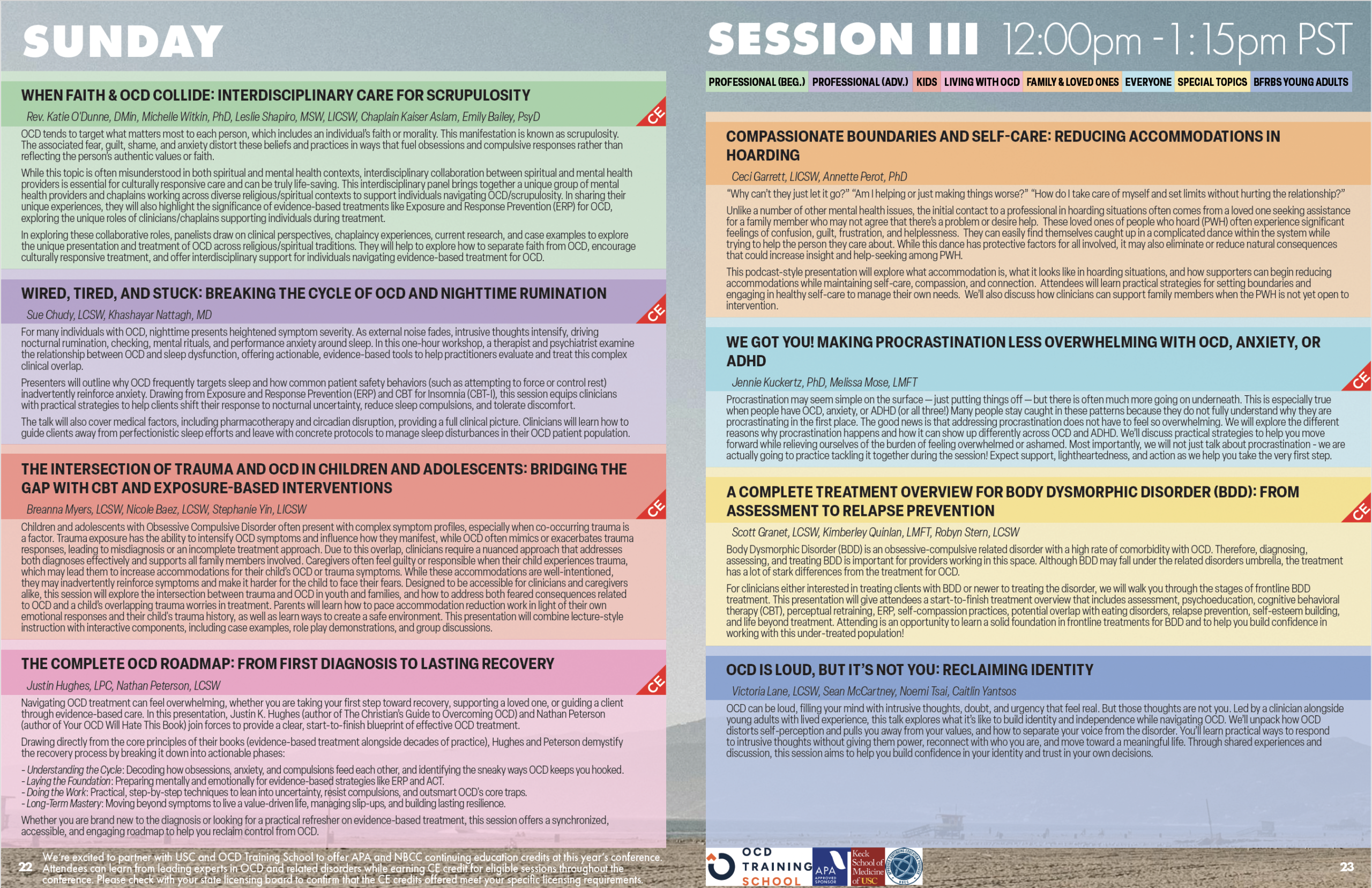
Sleep can be one of the most challenging parts of living with OCD and anxiety, especially when intrusive thoughts and mental rituals intensify at night. In this talk, a therapist and psychiatrist will explore the powerful connection between sleep, anxiety, and OCD, and why efforts to control sleep often make it harder to rest. We’ll break down common nighttime patterns like rumination, checking, and reassurance seeking, and offer a more effective, compassionate approach. Drawing from evidence-based strategies and clinical insight, you’ll learn how to respond differently to intrusive thoughts and reduce the struggle around sleep. Attendees will leave with practical tools and a renewed sense of hope that better nights are possible, even without perfect sleep.
When trying to be a good person and working hard to be a better follower of your faith becomes all encompassing, problematic, and never ending, you might be experiencing Scrupulosity OCD. This Obsessive Compulsive Disorder subtype focuses on one’s moral and religious character and continuously searches for personal failings and shortcomings, and what you should do to fix those perceived problems. This presentation will discuss Scrupulosity OCD within the framework of OCD, highlight the common religious and moral components, and review tangible tools rooted in CBT, ERP, and ACT, to take a hold of these obsessions and live in a meaningful and sustainable way.
A substantial portion of individuals with OCD either deny they have a problem, acknowledge the problem but fail to seek help, or seek help but never seem to benefit. Family and friends struggle to understand why, especially when the OCD negatively impacts their lives. They often wrongfully conclude the OCD sufferer is willfully choosing to be impaired, which can lead them to react in ways that are counterproductive. In this presentation, I will introduce a concept called “recovery avoidance.” I will explain why the natural family response to recovery avoidance doesn’t work and often makes things worse, landing everyone involved into what my colleagues and I have called the “family trap.” I will describe how family members confronted with recovery avoidance can enhance their emotional well- being and, at the same, improve the quality of their interactions with the recovery avoider.
Treatment-refusal is a significant healthcare problem. Untreated psychiatric disorders like OCD often lead to a lifetime of distress and disability, and not just for the diagnosed individual. Impairment in one person can jeopardize the physical health, psychological well-being, and socioeconomic stability of the entire family. For most people, hope rests on the promise of getting help, but even evidence-based treatment can’t help someone who never receives it. When families reach out to healthcare professionals, they are told nothing can be done. In this seminar, I will describe something that can be done, an intervention called Family Well-Being Consultation (FWBC), the result of 3 decades of clinical development and research. FWBC uses established cognitive and behavioral principles and focuses on the well-being of the entire family. Families are taught how to shape recovery-compatible behavior in the treatment-refuser and how to reduce conflict and stress within the family. The seminar will include lecture, slides, and demonstration of technique.
This talk will address the common reasons people with OCD forego intimacy while offering specific strategies to address these challenges. Topics will include physiological reasons anxiety and intrusive thoughts interfere with desire and intimacy through hypervigilance, avoidance, rumination, and perfectionism, as well as how to address those patterns without reinforcing compulsive control or reassurance-seeking. The presenters will also address how to talk to a potential partner about having OCD, address common sex-related obsessions and compulsions that arise, and provide an overall understanding of the benefits of entering a relationship despite potential discomforts.
Offering perspectives from the fields of sex therapy, human development, and psychiatry, grounded in principles fundamental to evidence-based anxiety and OCD treatment, including ERP, ACT, and DBT, an expert pair of clinicians will offer practical, sex-positive strategies for tolerating uncertainty, reconnecting with the body, and engaging in meaningful intimacy across diverse identities and relationship structures.
Exposure and Response Prevention (ERP) is one of the most effective treatments for OCD—but it can be really challenging. Have you ever wondered if there’s a way to make ERP more meaningful and more connected to what matters most to you? In this presentation, we’ll explore how ideas from Acceptance and Commitment Therapy (ACT) can help you get more out of ERP. We’ll talk about why trying to get rid of uncomfortable thoughts and feelings—experiential avoidance—often backfires, and how learning to make space for them—experiential acceptance—can stop them from controlling you and hijacking your life. We’ll also highlight how ACT’s mindfulness component is uniquely suited to support individuals struggling with mental compulsions and how connecting with your values can turn exposures from something you “have to do” into something you want to do.
This talk will provide an accessible overview of medication management for Obsessive-Compulsive Disorder (OCD), geared toward individuals with OCD, family members, loved ones, and anyone interested in learning more. We will review evidence-based guidelines for medication treatment, discuss what to consider when first-line medications are not effective, and explore common challenges and fears surrounding psychiatric medications. The presentation will also cover practical strategies to support treatment success and help individuals make informed decisions about their care.
[CE Talk for Licensed Clinicians]
Treating OCD: Assessment to Maintenance – Curtis Hsia, PhD OC Anxiety Center
The need to treat OCD using empirically supported approaches remains a dire need as many providers often use approaches that are not research based. This continuing education session will give an overview of the treatment of OCD with a focus on cognitive countering and exposure and response prevention, followed by a case presentation and Q&A.
Lunch: 12:30pmPT
Orange Coast College is providing a catered lunch and beverages. There will be different food options to choose from; you will select your preferred option at check-in. The lunches are provided in portable dinnerware. We ask you to bring your food into the room of the presentation you are choosing to watch during session three.
Parents are the most powerful resource for children and teens with OCD during their recovery process, but it can be very difficult to stand up to OCD’s demands while still holding onto a strong relationship with your child or teen. The presenters will explore common reasons why parents and other caregivers struggle with reducing accommodations and supporting at home exposures, even when the importance of taking these steps is well understood. A clear formula for supportive parenting will be offered, along with an opportunity to practice supportive communication through role playing. Attendees will leave with a greater understanding of how to reduce OCD’s presence in their children’s lives and boost their confidence in their ability to cope with distress, all while maintaining a strong emotional connection with them.
People with OCD experience unwanted, disruptive, and intrusive thoughts that cause great distress. These repetitive obsessions are urgent and demand one’s attention, leading the individual to ruminate and get mentally stuck. For some, these obsessions include taboo content that includes thoughts of harm, sexually aggressive acts, or disturbing religious scrupulous imagery. Many learn how to reduce and eliminate the compulsive behaviors; however, they struggle to get unstuck from that mental OCD cycle that some refer to as “Pure O.”
This talk was specifically designed to address how to cut out mental compulsions that include replaying scenarios in our head, attempting to solve unsolvable problems, and mental fixations and worry. We will help clients identify the difference between an intrusive, obsessive thought and a mental compulsion. The presenters will then offer specific strategies for quieting the mind. Leaning into ERP, mindfulness, acceptance and commitment therapy (ACT), CBT, humor, and other modalities, this will be a true master class on how to address and eliminate unwanted, intrusive thoughts.
Maximizing Your Insurance Benefits to Cover OCD Treatment – Michelle Malloy, MFT, PMH-C OC-Therapy and Megan Alberoni, MA, BCBA
Both federal and California state law says insurance companies must offer patients with OCD coverage for seeing a therapist that specializes in OCD. If there are no OCD providers in-network with an insurance plan, patients have the right to have specialist care covered under their in-network benefits. We will educate you on your rights, navigating insurance, and communicating effectively to maximize your reimbursement. In addition, a consumer will share her experience with this process. Learn how to advocate for patient rights in order to expand affordability and access to the best available OCD treatment.
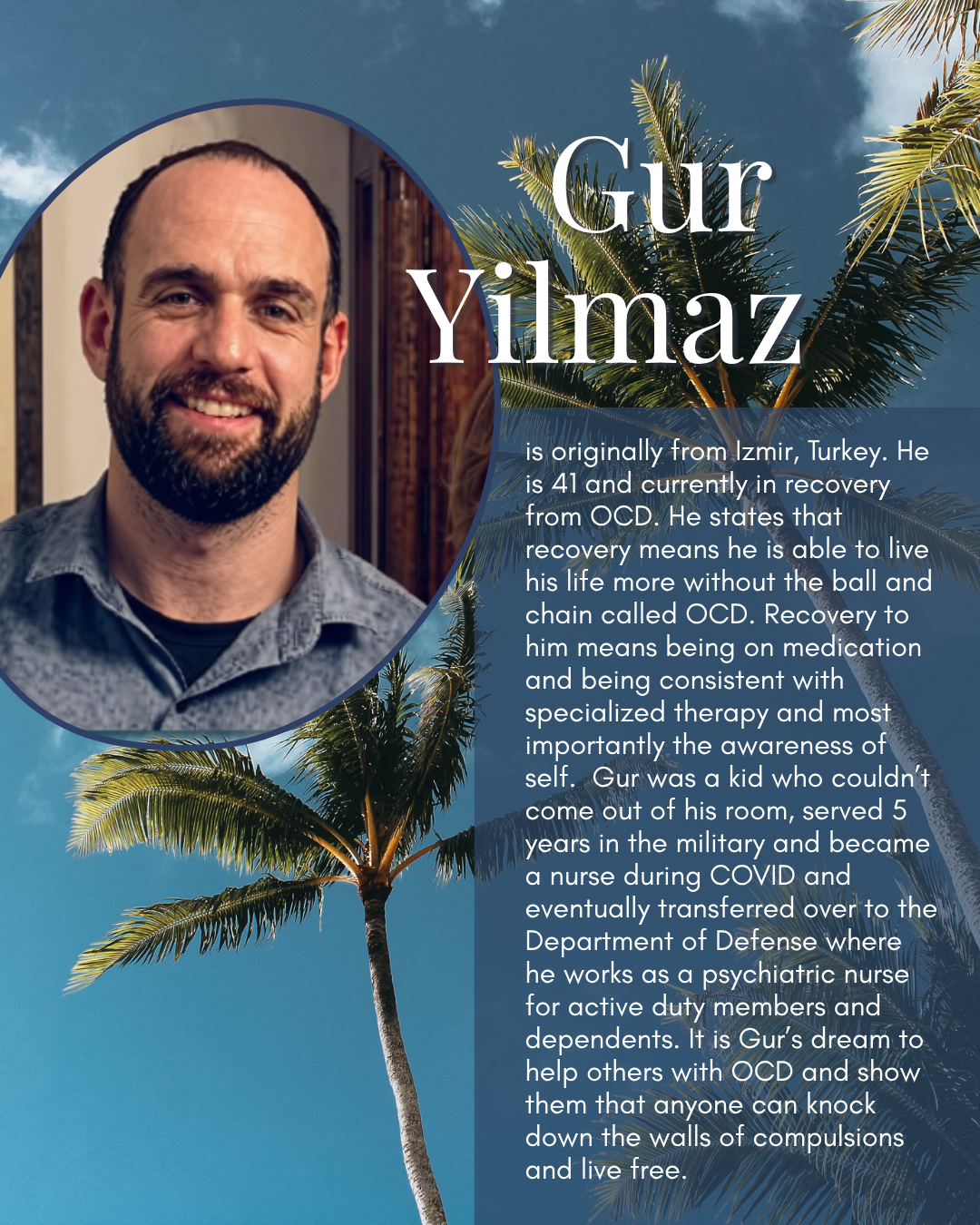
More Than OCD: Real Stories of Recovery and Living Fully – Jennie Kuckertz, PhD – Jennie M. Kuckertz, PhD | McLean Hospital, Cathy Agostino, Dylan Mitchell, Gur Yilmaz, and Jarret Lovell.
OCD can be incredibly isolating, and even as awareness has grown, many people still feel misunderstood or fear that recovery is out of reach. Social media and popular culture can sometimes make OCD seem like a life sentence rather than something people can meaningfully recover from – but that is simply not true. In this panel discussion, four individuals will share their personal stories of recovery, what helped them move forward, and what life looks like outside of OCD. Hearing directly from people who have lived through OCD and found a fuller, freer life can be powerful, validating, and hopeful. Whether you are struggling with OCD yourself, supporting a loved one, or working as a clinician, we invite you to join us. The session will include personal stories from each panelist, a moderated discussion about recovery and healing, and an audience Q&A.
This presentation will review the assessment and treatment of obsessive-compulsive disorder (OCD). We will focus most on pharmacotherapy (medication treatment) for OCD but will also cover other related topics, including comorbidity, standardized ratings, treatment planning, predictors of treatment response, practice guidelines, strategies for treatment-refractory patients, neurosurgical approaches, mechanisms of action of pharmacotherapy, and the neurobiology of treatment response in OCD.
Session IV: 2 – 3:00pmPT
Ask The Experts: Summary Q&A Panel – All of the event’s presenters
Please join us for an opportunity to ask questions of a panel consisting of all of the event’s presenters. This is an opportunity to ask any of the questions you were unable to ask during the day, or if you were unable to attend one of the presentaitons, that talk’s presenters will be able to answer your questions at this panel. The panel will consist of leading OCD experts and will be held in the ballroom.
Opportunity Drawing
Additionally, for those still in attendance at the end of our OCD Southern California Speaker Series conference event, we will be hosting an opportunity drawing for an opportunity to win gift card prizes! The ticket to win is already included with your registration at no additional cost!
Event Concludes: 3:00pmPT
On your way out, please make sure to sign up for OCD Southern California’s mailing list, our free and virtual Family and Loved One’s OCD Support Group, and complete a quick evaluation of the event.
—
We look forward to seeing everyone at the Speaker Series event. Make sure to register before the event is sold out! For more information and to register for the event, click here: https://ocdspeakerseries.eventbrite.com.
A reminder, OCD Southern California is offering 3 CEs for LCSW, LMFT, LPCC, and Psychologists who attend the CE track of this event!
It is being held at Orange Coast College in Orange County. The address is 2701 Fairview Rd., Costa Mesa, CA, 92626. This will be the only Speaker Series event OCD SoCal hosts in 2026, so we encourage people from Los Angeles, San Diego, the Inland Empire, and anyone from anywhere interested, to join us in person on May 30th!
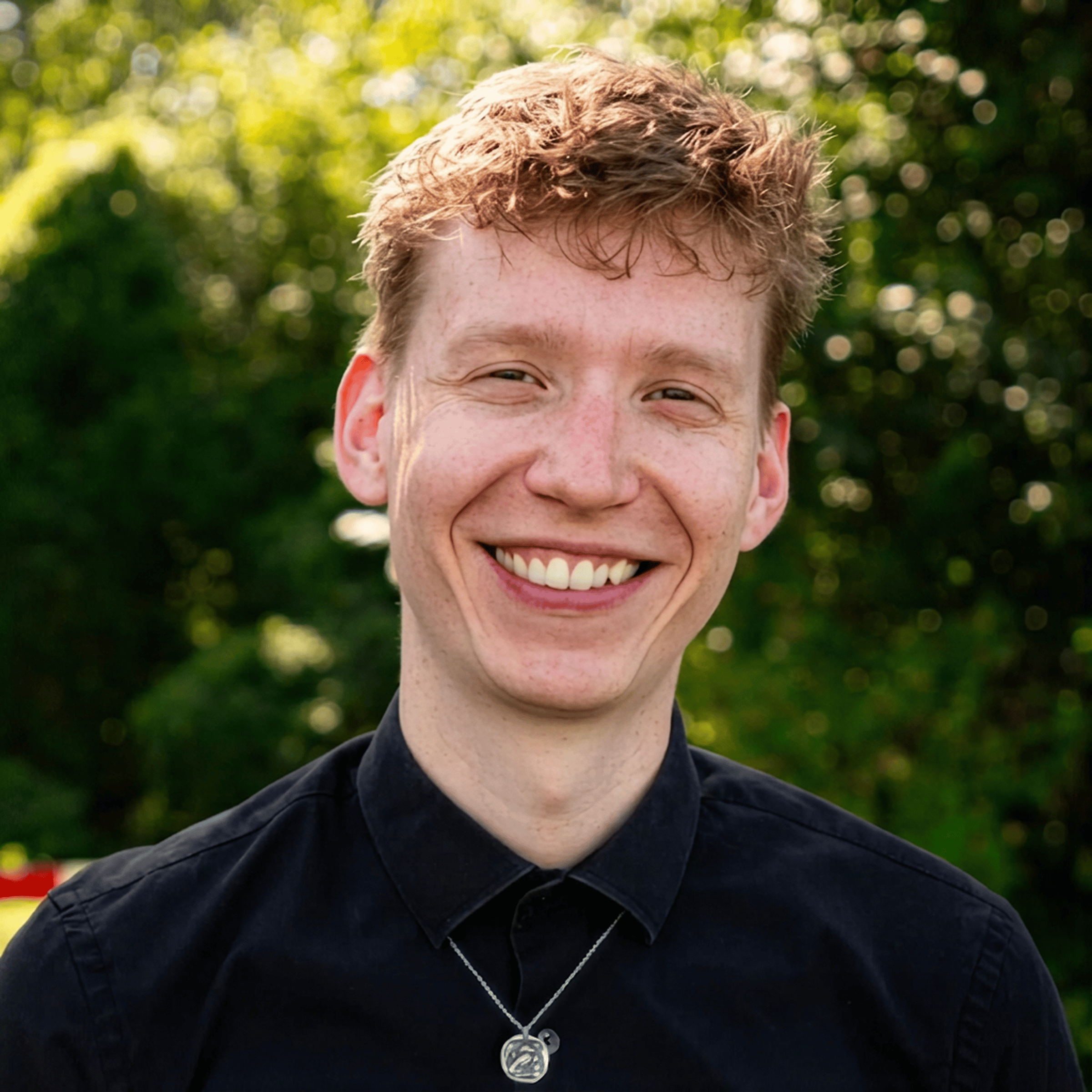
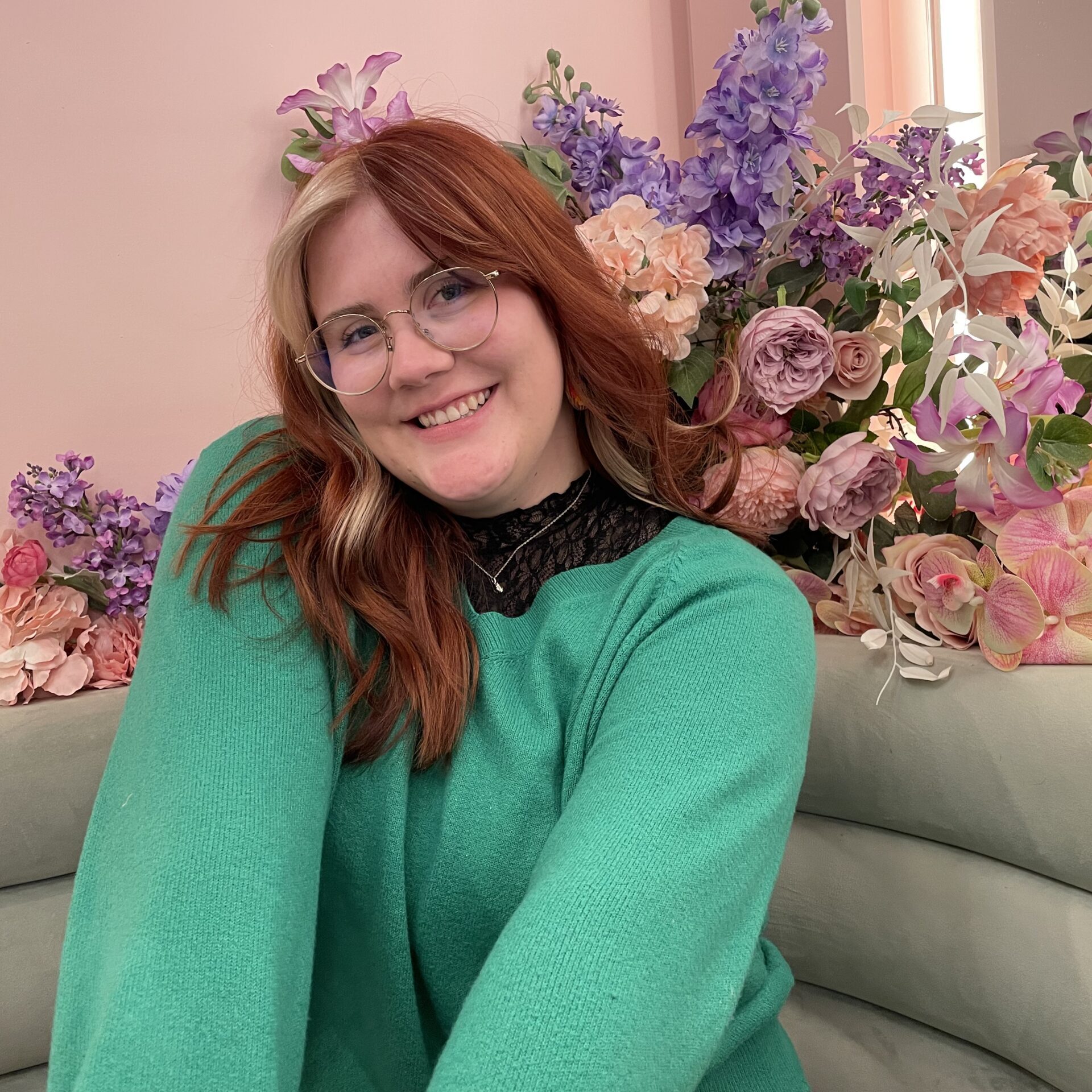
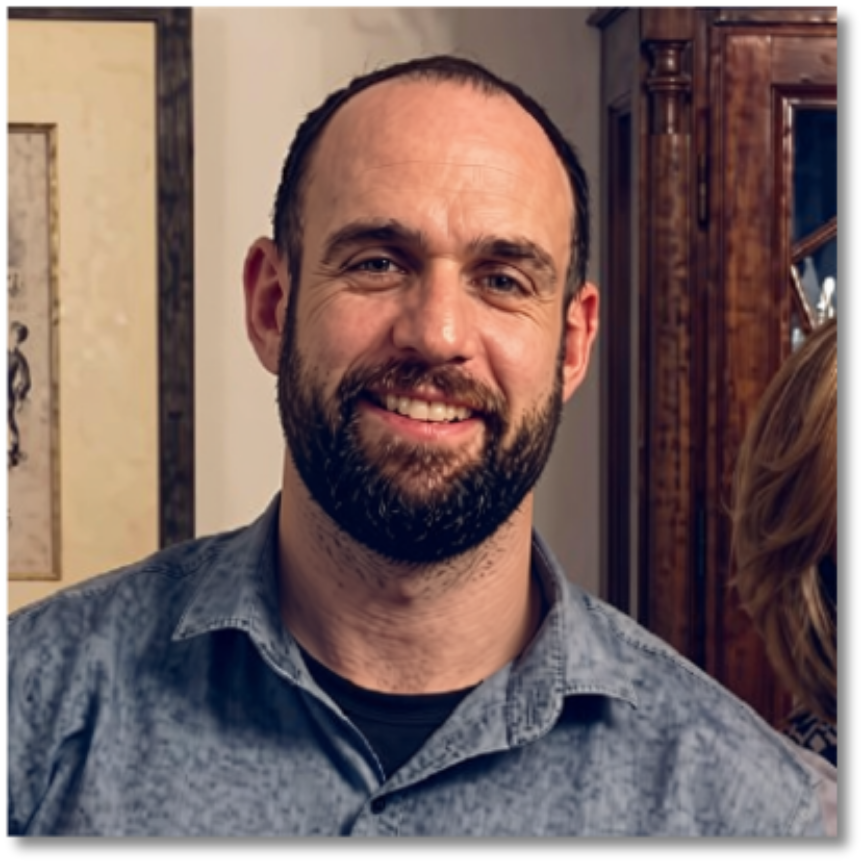
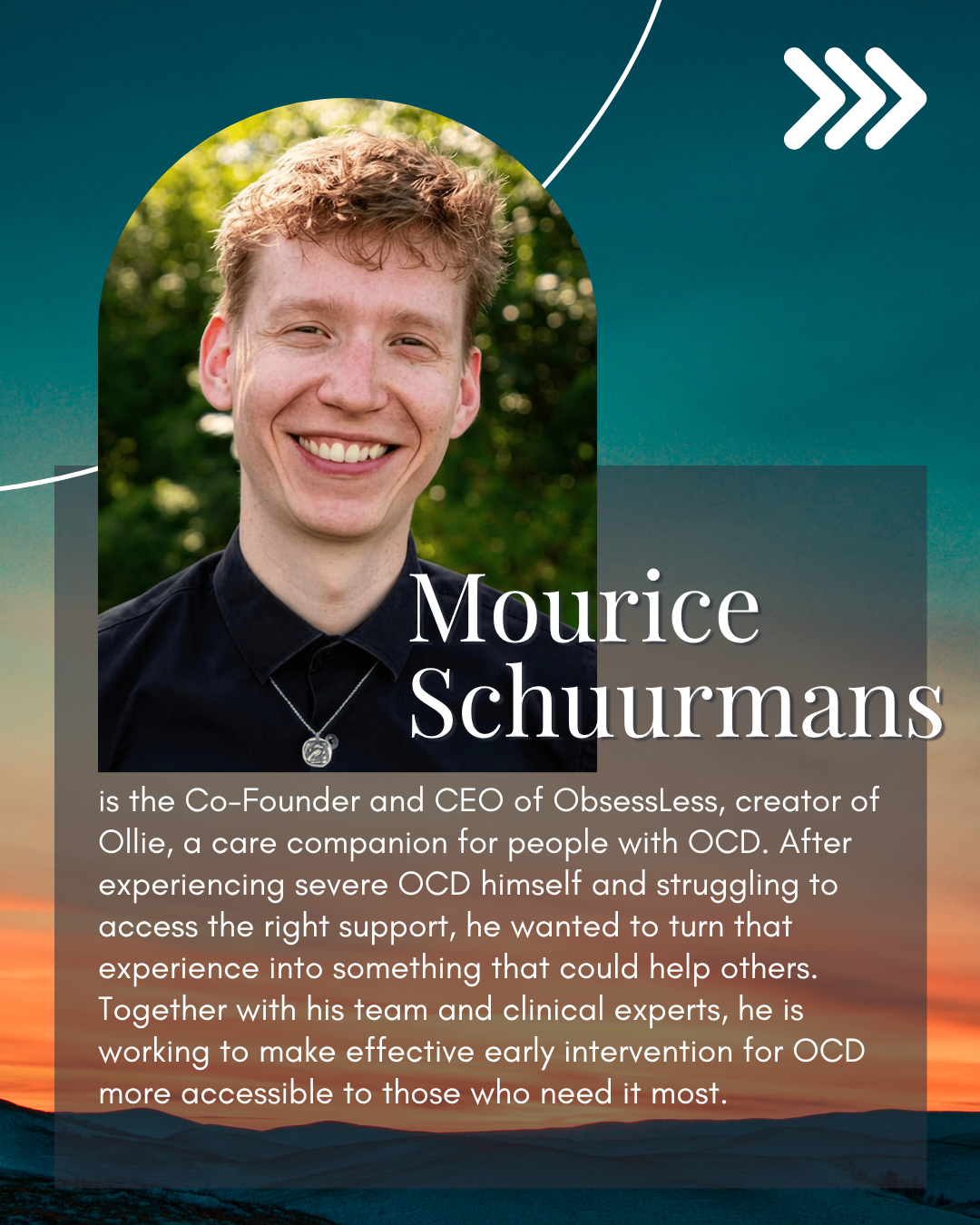
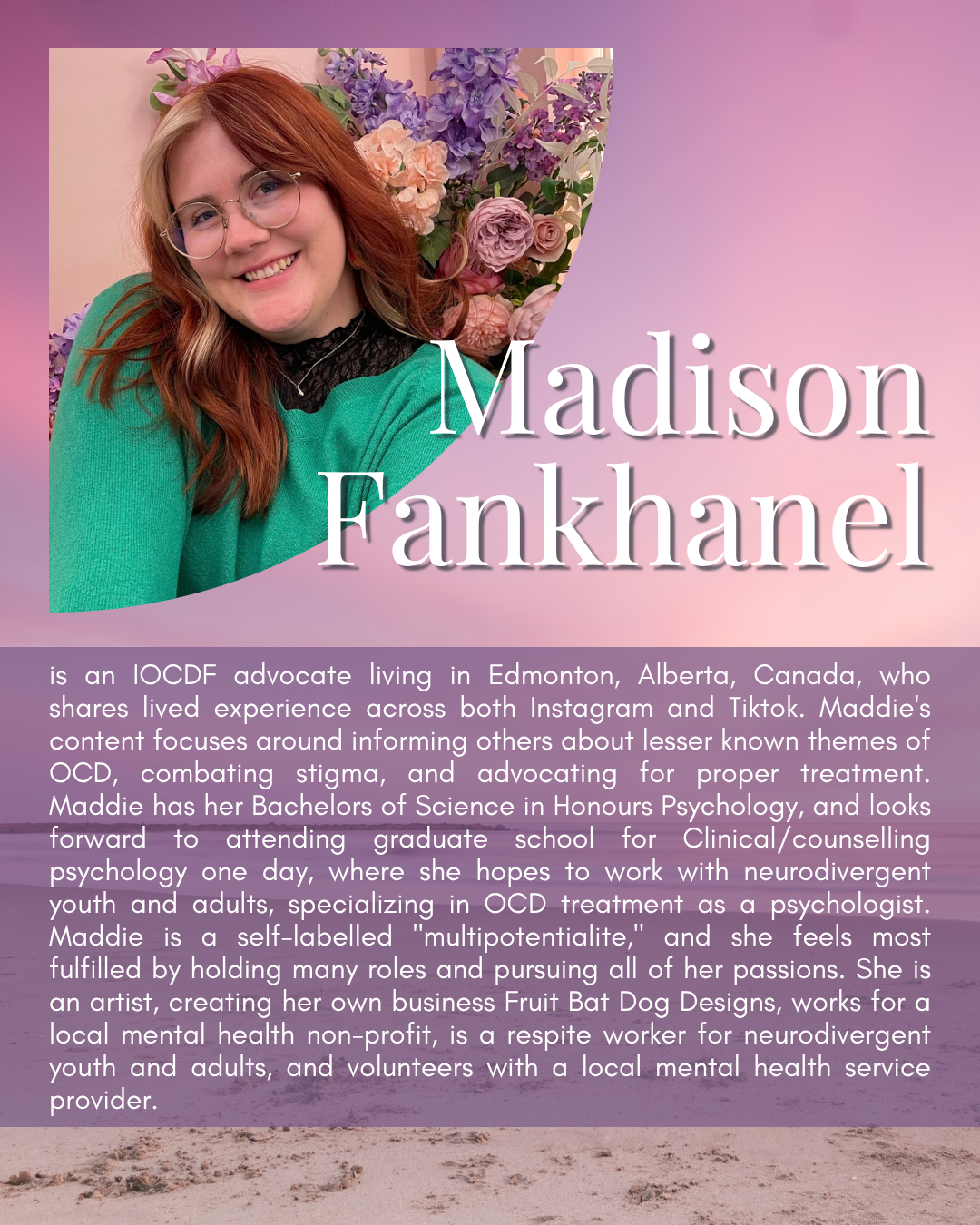
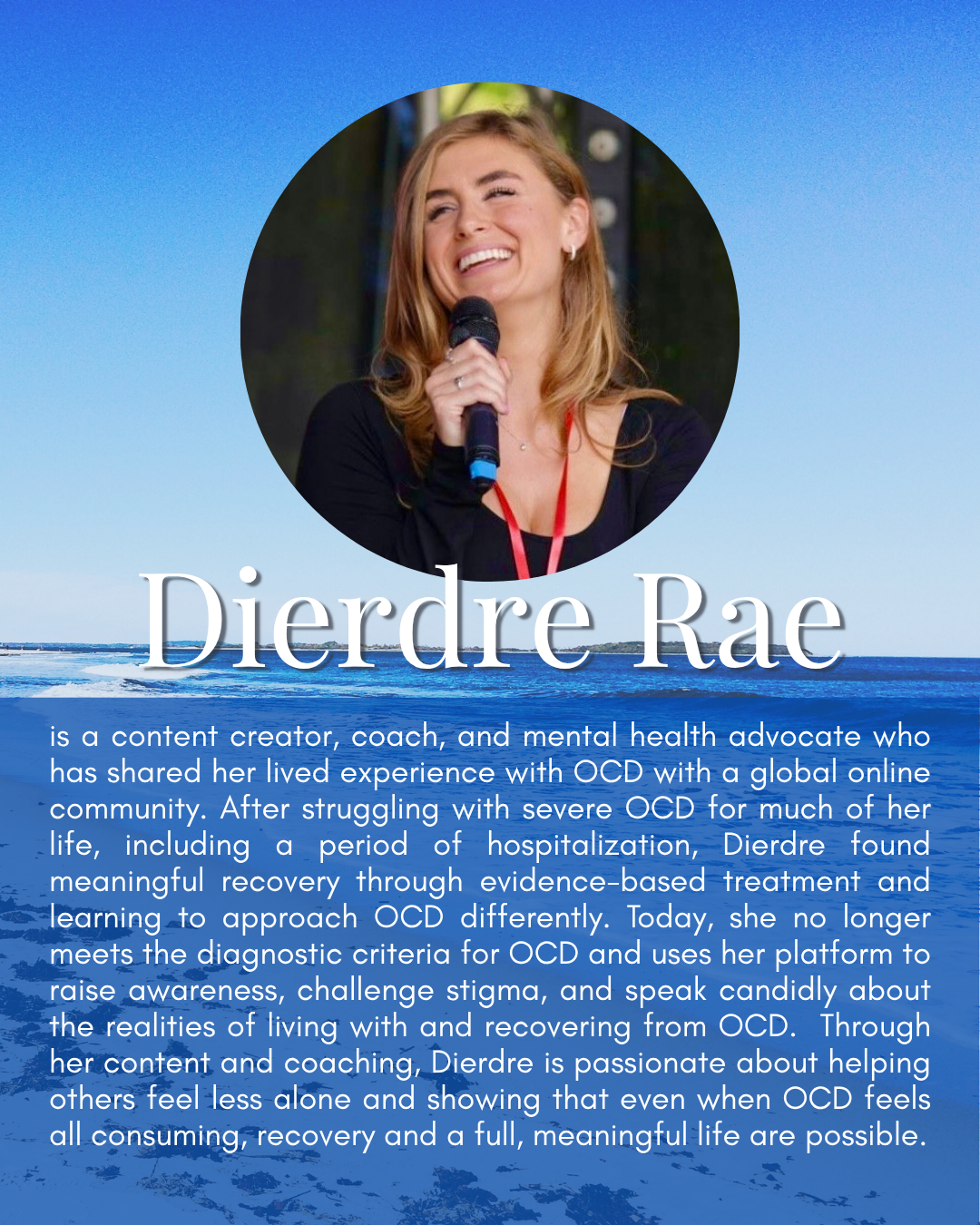
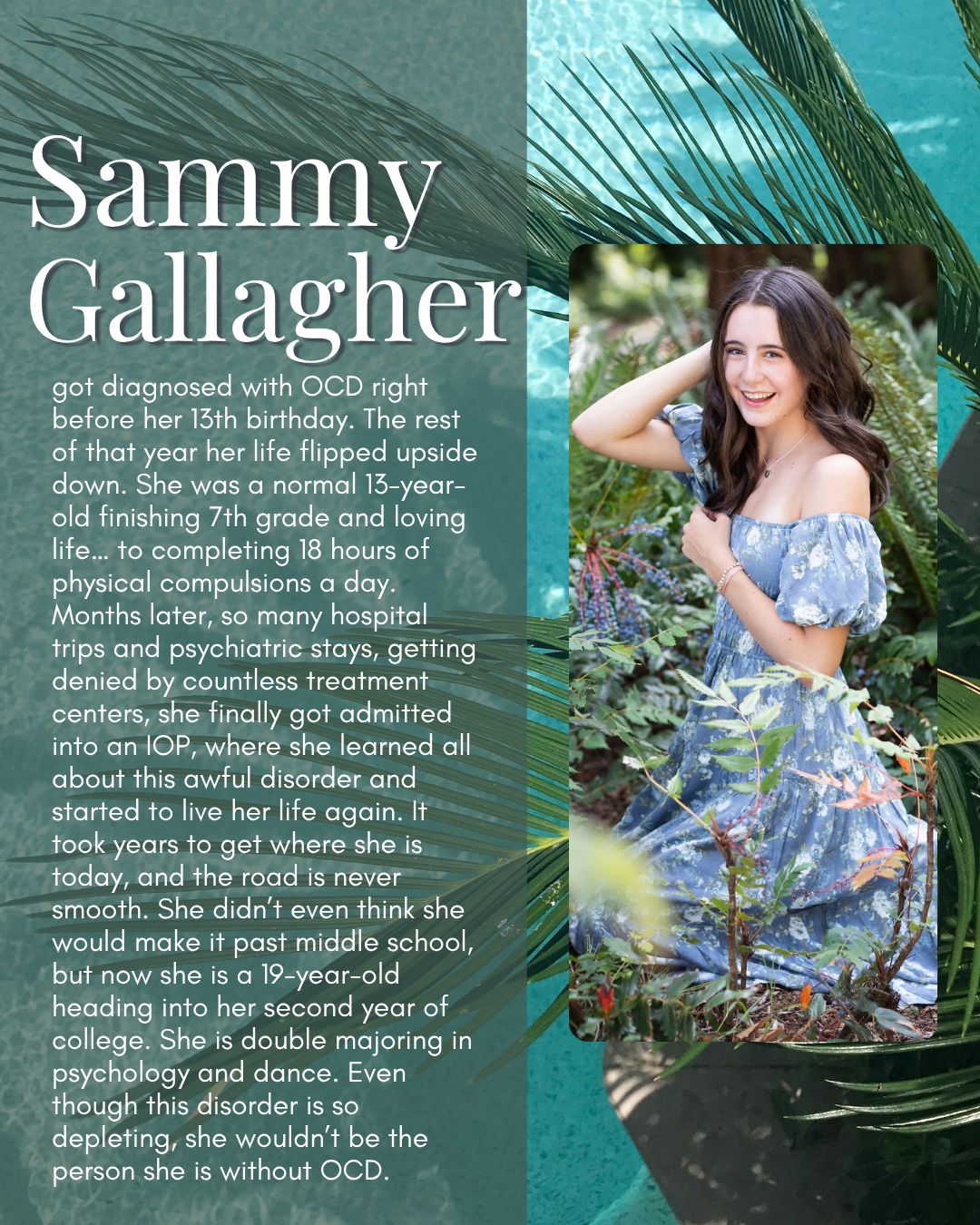
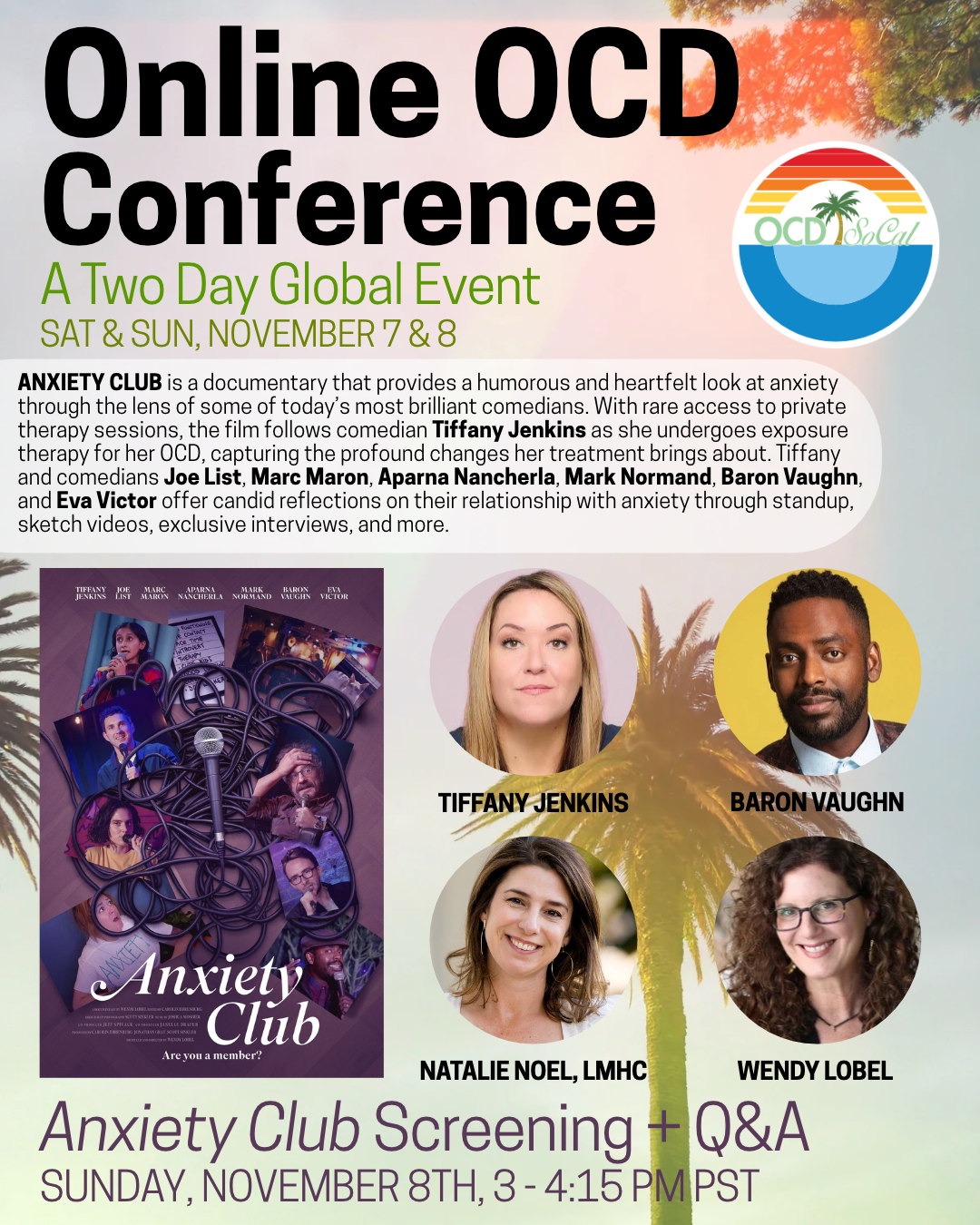
We have 23 presenters (see above pictures and click here for more info:https://ocdsocal.org/4914/meet-the-23-presenters-speaking-on-saturday-may-30th-at-our-in-person-ocd-socal-speaker-series/) and 13 presentations for people with OCD, their family members and loved ones, as well as 3 low-cost CEs available for licensed providers. Trainees, associates, students, and others involved in the mental health field can purchase a general admission ticket and enjoy either the general content or sit in on the CE talks.
You can also go to the specific Speaker Series section of OCD SoCal’s website to learn more about the event: https://ocdsocal.org/programs/speakerseries/. We hope you attend and also share the event with your family, loved ones, and your community!
This is the last week for early-bird pricing ($15), and attendees get free parking, beverages, a catered meal, and access to the slides from each talk. We hope to see many of you there.
Our Vice President, Chris Trondsen, LMFT, had the opportunity to be interviewed by The New York Times for their Psych 101 column on the topic of body dysmorphic disorder (BDD)! BDD is an obsessive-compulsive related disorder where individuals fixate on a specific feature or features of their appearance and become obsessed with that body part(s). Over time, they believe these flaws are making them repulsive and disgusting looking to others, and because of this they isolate, become obsessed with “fixing” their appearance, consider themselves ugly, experience severe depression, and may become suicidal.
Chris Trondsen, LMFT, spoke both about his lived experience with the disorder, as well as contributed to the article as a clinician. One of his clients previously suffering from BDD discussed her recovery journey after receiving a BDD diagnosis from Chris Trondsen, LMFT.
The article also features top BDD researchers and offers an explanation to why people with BDD see themselves differently than others. This article is recommended for anyone suffering from BDD, body image disorders, and other disorders that affects how someone feels about their appearance. The article also offers hope to people suffering from BDD that they can get better.
The article is also great for any clinician interested in treating BDD and related image disorders.
Here is a gifted link that allows readers to enjoy the article at no cost for 30 days via the articles author from the New York Times, Christina Caron: Click here to read the article:New York Times article on BDD. Please share the article with anyone who may benefit from this material!